• Pilot 2 plaza ,Charles Rubia lane

How to Maintain a Cold Room:

A Step-by-Step Guide to Troubleshooting Common Problems

Operating a cold room is a cornerstone of businesses dealing with perishable goods, from restaurants preserving fresh produce to pharmaceutical warehouses safeguarding life-saving medications. A cold room’s reliability hinges on meticulous maintenance to prevent issues like temperature swings, frost buildup, or refrigerant pressure problems that can jeopardize product quality, inflate energy costs, and lead to costly repairs. Neglecting these systems risks spoilage, regulatory violations, and unexpected downtime, which can cripple operations.

This comprehensive guide dives deep into the world of cold room maintenance, offering actionable insights drawn from industry expertise. We’ll explore the most common challenges—temperature fluctuations, icing, and pressure issues—providing detailed troubleshooting steps and practical fixes you can perform without a technician. We’ll also outline structured servicing routines for before, during, and after use, alongside strategies to extend the lifespan of your equipment. With over 2600 words of research-backed advice, this guide equips you to keep your cold room running smoothly, ensuring efficiency and peace of mind.
Understanding Common Cold Room Challenges

Cold rooms are engineered for precision, maintaining specific temperatures and humidity levels to protect stored goods. However, daily wear, environmental factors, and operational habits can disrupt this balance. By understanding the root causes of common issues, you can address them proactively and prevent minor problems from escalating into major setbacks.

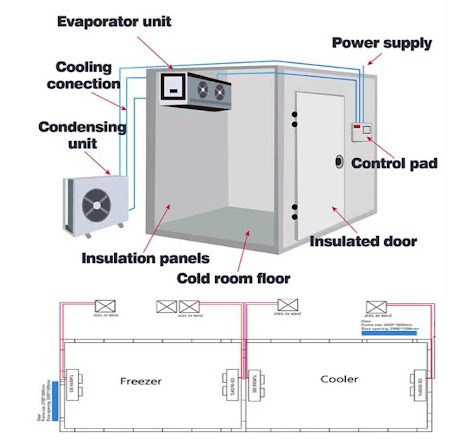
the coldroom and its parts


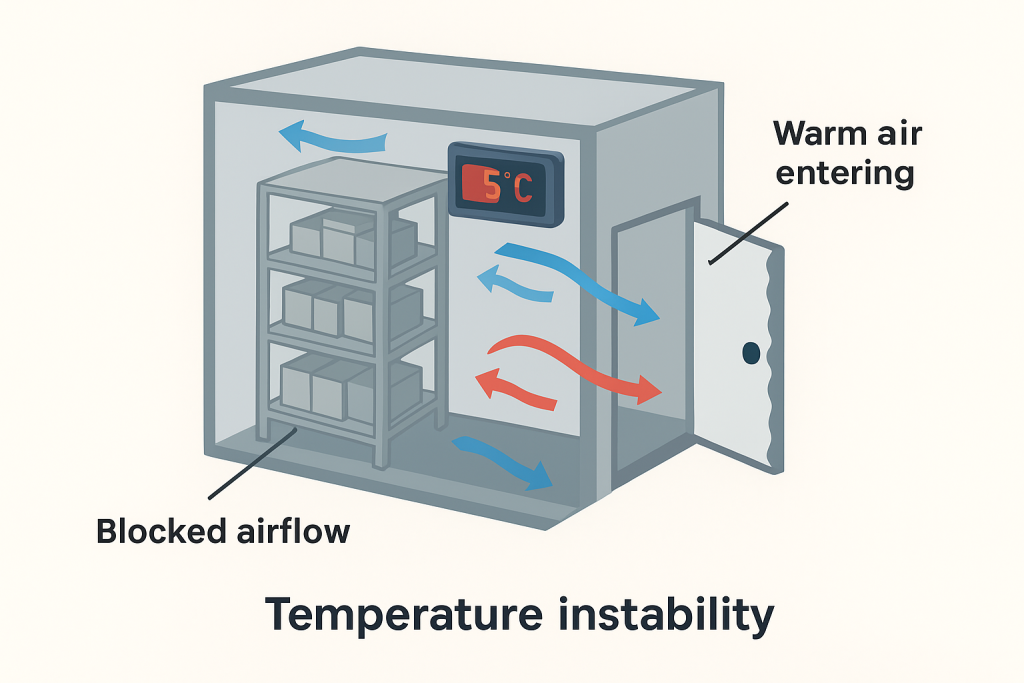
Temperature Fluctuations: Unpacking Causes and Consequences

One of the most disruptive issues in cold room management is temperature instability, where the internal environment swings above or below the desired range. Imagine setting your cold room to 2°C, only to find it creeping to 5°C or dipping unexpectedly. This inconsistency can stem from several sources. Worn or damaged door seals allow warm, ambient air to infiltrate, forcing the refrigeration system to work harder to compensate. Inadequate insulation in walls or ceilings permits external heat to seep in, undermining cooling efforts. A malfunctioning thermostat may misread temperatures, causing the compressor to cycle erratically. Overstocking shelves can block airflow from vents, creating uneven cooling zones, while frequent door openings introduce warm, humid air that destabilizes the environment.

The consequences are far-reaching. In food storage, even brief temperature spikes can accelerate bacterial growth, leading to spoilage and potential health code violations. For pharmaceuticals, fluctuations can degrade sensitive medications, rendering them ineffective and risking patient safety.

fixing coldroom temperature

Beyond product loss, these swings increase energy consumption as the system strains to maintain set points, and prolonged issues can wear down critical components like the compressor. To catch fluctuations early, invest in reliable thermometers or smart monitoring systems that log temperatures continuously, providing alerts for deviations.

Icing and Frost Buildup: Why It Happens and Its Impact

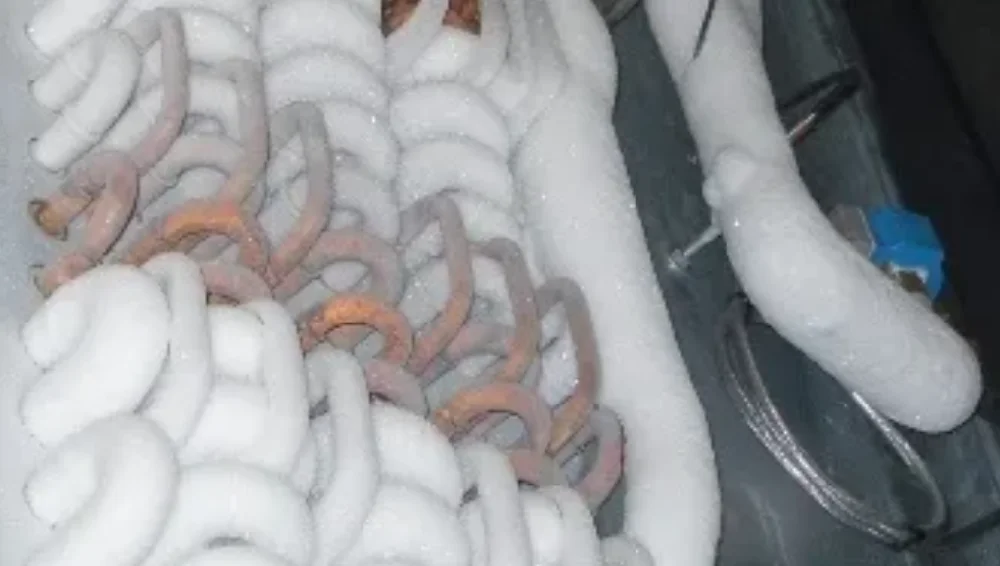
Frost and ice accumulation inside a cold room, particularly on evaporator coils or shelves, is a frequent headache. This occurs when moisture in the air condenses and freezes on cold surfaces, especially in high-humidity environments. Several factors contribute: frequent door openings allow humid air to enter, poor door seals fail to block external moisture, and dirty evaporator coils reduce heat exchange efficiency, promoting frost. Inefficient defrost cycles—caused by faulty timers or heaters—exacerbate the problem, as does overloading the room, which traps moisture and accelerates ice formation.

how to solve the frost ice in evaporator coil

The impact is twofold. First, ice acts as an insulator, reducing the system’s cooling efficiency and forcing the compressor to work harder, which spikes energy bills and risks mechanical failure. Second, melting ice can create slippery floors, posing safety hazards for staff. Over time, persistent frosting can damage coils or lead to costly repairs. Proactive humidity control and regular inspections are essential to keep this issue at bay, ensuring both operational efficiency and workplace safety.


Refrigerant Pressure Issues: Origins and Effects

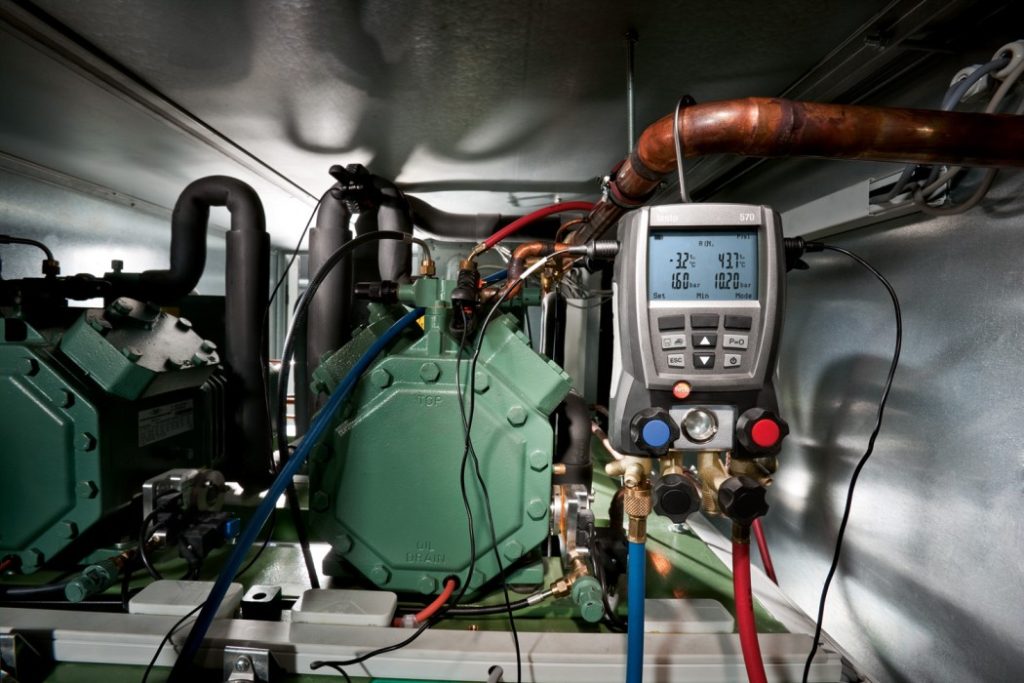
Pressure imbalances in the refrigeration system can bring a cold room to a standstill. High pressure often results from a dirty condenser that can’t dissipate heat effectively, overcharged refrigerant, or blockages in strainers or piping. Low pressure may indicate leaks, undercharging, or issues with the expansion valve, leading to inadequate cooling. These problems manifest as frequent system cycling, failure to reach set temperatures, or unusual noises from the compressor.

The effects are significant: a strained compressor consumes more energy and risks premature failure, while refrigerant leaks pose environmental hazards and require specialized handling due to regulatory restrictions. Ignoring pressure issues can lead to complete system breakdowns, leaving your inventory vulnerable. Regular maintenance, such as cleaning condensers and monitoring system performance, is critical to preventing these disruptions.

coldroom repair and maintance


Other Persistent Problems to Monitor

Beyond the major issues, watch for noisy operations—grinding or rattling sounds often indicate loose components or worn bearings. Water leaks from clogged drain lines can flood floors, creating safety risks and potential mold growth. Dim or malfunctioning lighting inside the cold room hampers visibility, increasing accident risks. Electrical faults, such as tripped breakers or burnt capacitors, signal deeper wiring issues that need prompt attention to avoid fire hazards.

Troubleshooting and Practical DIY Fixes

Many cold room issues can be resolved without calling a technician, saving time and costs if approached safely and systematically. Always disconnect power before inspecting electrical components and consult your equipment’s manual for guidance. Here’s how to tackle common problems with confidence.

self repair and maintain a cold room

To address temperature fluctuations, start by inspecting door seals for cracks, tears, or debris buildup. Clean them with a mild detergent and replace damaged seals using a kit from your supplier to restore an airtight barrier. Next, check for blocked vents and reorganize stored items to ensure unobstructed airflow, which promotes even cooling. Use an external thermometer to verify thermostat accuracy, recalibrating if necessary. Dust and debris on condenser coils can hinder heat dissipation, so clean them gently with a soft brush or vacuum to restore efficiency. These steps often resolve minor fluctuations without further intervention.

For icing problems, initiate a manual defrost if automatic cycles are failing. Power down the unit, open the doors to allow ice to melt naturally, and use fans to accelerate the process safely. Clean evaporator coils with a mild, non-corrosive detergent to remove grime that promotes frost. Adjust defrost timers to match your room’s usage patterns—high-traffic rooms may need more frequent cycles. To prevent recurrence, minimize door openings by training staff to work efficiently, and consider installing strip curtains or air curtains to block humid air. In humid climates, a dehumidifier can significantly reduce moisture levels, keeping frost at bay.

For pressure-related issues, focus on cleaning the condenser to alleviate high pressure caused by debris accumulation. Use a vacuum or soft brush to clear dust without damaging fins. If the system trips due to high pressure, locate the pressure controller and press the reset button after addressing visible causes, such as a dirty condenser. For low pressure, check for obvious signs of leaks, like oily residues, but avoid handling refrigerant directly—leave that to professionals. These fixes can stabilize the system temporarily, but persistent issues require expert attention.


Other quick solutions include unclogging drain lines with a vinegar solution or a flexible wire to prevent water leaks. Tighten loose screws or fittings to quiet noisy components, and replace dim or burnt-out bulbs with waterproof LED lights to enhance visibility and energy efficiency. Regular attention to these areas can resolve up to 70% of common issues without external help, keeping your cold room operational.

When to Call a Professional Technician

While DIY fixes are effective for minor problems, some issues demand specialized expertise to prevent damage, ensure safety, or comply with regulations. Persistent temperature fluctuations despite cleaning and adjustments may indicate a failing compressor or advanced thermostat issues, requiring diagnostic tools for precise repair. Refrigerant leaks—signaled by oily residues, hissing sounds, or poor cooling—necessitate a licensed technician equipped with detection equipment and recovery systems to handle regulated substances safely.

Chronic icing despite regular defrosting could point to faulty heaters, sensors, or electrical wiring, which require professional troubleshooting. Pressure problems involving refrigerant adjustments, clogged strainers, or corroded piping are beyond DIY scope, as they demand specialized gauges and expertise to avoid system damage. Unusual noises that persist after tightening parts may indicate motor or bearing failure, while electrical issues like frequent breaker trips or burning smells pose fire risks and require a certified electrician.

To minimize downtime, establish a relationship with a reputable refrigeration service provider. Annual maintenance contracts can ensure prompt responses and preventive checks, keeping your system in top condition. Always prioritize safety and avoid tampering with complex components like control boards or refrigerant lines, as this can void warranties or cause harm.

when to call a technitian


Structured Servicing: Before, During, and After Operations

Effective cold room maintenance follows a cyclical approach, tailored to the system’s operational phases. By addressing needs before, during, and after use, you ensure consistent performance and longevity.


Before Use: Building a Solid Foundation

Before activating a cold room, conduct a thorough inspection to catch potential issues. Examine door seals, hinges, and insulation panels for wear or damage that could compromise efficiency. Calibrate thermostats using a certified thermometer to ensure accurate readings, and test alarm systems to confirm they’ll alert you to temperature deviations. Sanitize all interior surfaces with food-safe or medical-grade cleaners, especially for storage of sensitive goods like food or pharmaceuticals. Run a full test cycle to verify stable temperatures, checking that fans, condensers, and evaporators function correctly. This pre-use diligence prevents surprises when operations begin.

During Use: Maintaining Peak Performance

Active use demands vigilant monitoring. Check temperatures twice daily—morning and evening—using digital loggers or manual thermometers, and document readings to track trends. Weekly, clean evaporator and condenser coils to prevent dust buildup, clear drain lines to avoid leaks, and inspect door seals for wear. Ensure stock is arranged to allow unobstructed airflow, avoiding overstocking that blocks vents. Train staff to minimize door openings and report anomalies like frost, noises, or temperature shifts immediately. These habits keep minor issues from escalating and maintain compliance with standards like HACCP for food safety.

After Use: Securing Long-Term Reliability

Post-operation maintenance is about preservation and preparation. Deep clean and sanitize all surfaces to eliminate mold or bacterial risks, particularly in food or medical storage. Inspect electrical components—fuses, relays, and wiring—for signs of wear, noting any issues for professional follow-up. Power down the system according to manufacturer guidelines, checking for refrigerant leaks or pipe damage. Review maintenance logs to identify recurring problems and update standard operating procedures (SOPs) accordingly, incorporating upgrades like improved insulation or monitoring tech based on observed needs.


Prolonging Equipment Lifespan: Research-Backed Strategies

Extending the life of your cold room equipment—potentially to 15-20 years—requires a proactive, multi-faceted approach. Adhere to a structured maintenance schedule: daily checks of temperatures and seals, weekly cleaning of coils and drains, monthly inspections of electrical systems, and semi-annual professional servicing to assess refrigerant levels and compressor health. Keeping coils clean reduces strain on the compressor, while monitoring refrigerant prevents leaks that accelerate wear.

Invest in energy-efficient upgrades to reduce operational demands. Variable-speed compressors adjust output to demand, saving energy, while LED lighting lowers power consumption and heat output. Control humidity with dehumidifiers or moisture-absorbing packs to prevent frost buildup, and install air curtains or strip curtains in high-traffic areas to maintain internal conditions. Staff training is critical: educate employees on spotting issues like unusual noises or ice accumulation and on proper door usage to minimize air exchange. Maintain detailed logs for regulatory compliance, such as HACCP or FDA standards, and update SOPs to reflect equipment upgrades or new practices.

cold rooms
cold rooms

Advanced Tips for Optimal Cold Room Performance

To elevate your cold room’s functionality, consider advanced strategies. Install IoT-based sensors for real-time temperature and humidity alerts, accessible via mobile apps, to catch issues before they worsen. In larger rooms, supplemental fans ensure uniform air distribution, preventing hot spots. Enhance safety with drip trays to collect condensation, non-slip flooring to reduce fall risks, and adequate lighting for safe navigation. Service contracts with trusted providers guarantee regular maintenance and quick repairs, while an emergency plan with backup storage options and repair contacts minimizes losses during breakdowns. In colder climates, insulate pipelines to protect against freezing, ensuring year-round reliability.

Conclusion

Maintaining a cold room is a blend of vigilance, practical know-how, and strategic planning. By deeply understanding issues like temperature fluctuations, icing, and pressure imbalances, and applying targeted troubleshooting and maintenance routines, you can ensure your cold room operates efficiently and reliably. Implementing DIY fixes where safe, calling professionals when needed, and adopting longevity strategies will protect your inventory and bottom line. Start today: draft a tailored maintenance checklist, train your team, and schedule your next professional inspection. Your cold room—and your business—will thrive as a result.

Mastering Cold Room Maintenance for Success