• Pilot 2 plaza ,Charles Rubia lane

Is Your Refrigeration System Burning Money?

7 System-Level Strategies to Slash Costs

For businesses like restaurants, grocery stores, or pharmaceutical warehouses, the cold room is a lifeline, preserving inventory and ensuring compliance. Yet, the true cost of keeping things cold lies not in the room itself but in the refrigeration system that powers it. This intricate network of compressors, condensers, evaporators, and refrigerants is the heart of your operation—and often the biggest drain on your energy budget. In 2025, with energy prices fluctuating and sustainability demands rising, optimizing your refrigeration system isn’t just smart—it’s essential. By shifting your focus from the cold room to the system, you can slash energy costs, prevent costly downtime, and extend equipment life.

This guide unveils seven system-level strategies to maximize efficiency and cut costs, blending practical maintenance tips with cutting-edge technology upgrades. Whether you’re managing a small café or a large distribution center, these actionable steps will help you save thousands while aligning with modern environmental standards. Let’s dive into how you can make your refrigeration system work smarter, not harder.

cold room for your business


1. Perform a Comprehensive System-Wide Health Check

Many businesses focus solely on the cold room’s internal temperature, but true efficiency starts with the refrigeration system’s vital signs. Monitoring key metrics like suction pressure, discharge pressure, superheat, and subcooling reveals how well your system is performing and where it’s wasting energy.

Action Steps:

Schedule professional maintenance at least twice a year, ideally before peak seasons (e.g., summer for restaurants or holiday rushes for retail).

Ask technicians to check:

Suction Pressure: Too high or low indicates an inefficient compressor, forcing it to work harder.

Discharge Pressure: Elevated levels mean the compressor is overworking, consuming up to 15% more energy.

Superheat and Subcooling: Incorrect levels signal refrigerant issues or poor heat exchange, increasing energy use by 10-20%.

Use digital monitoring tools with real-time alerts for proactive issue detection.

Why It Works: Think of this as a full diagnostic for your system, like a doctor checking vital signs beyond a patient’s temperature. Identifying and fixing inefficiencies early prevents energy waste and costly breakdowns. For example, a 2024 study showed that regular system checks can reduce energy consumption by up to 12% in commercial refrigeration setups.

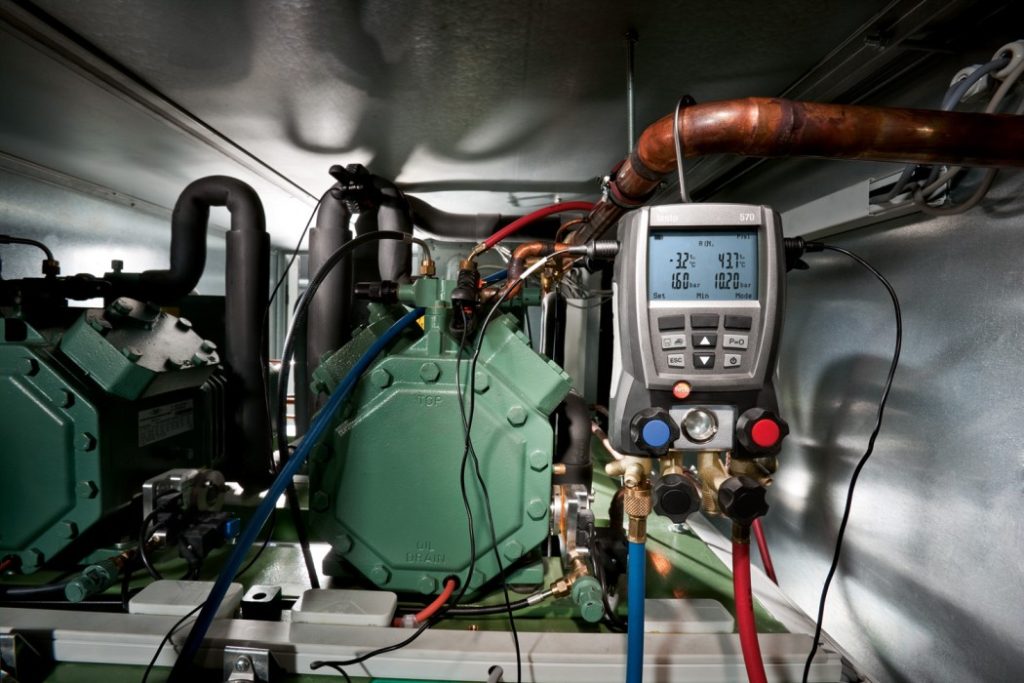
checking the gas in the condensing unit
coldroom repair and maintance
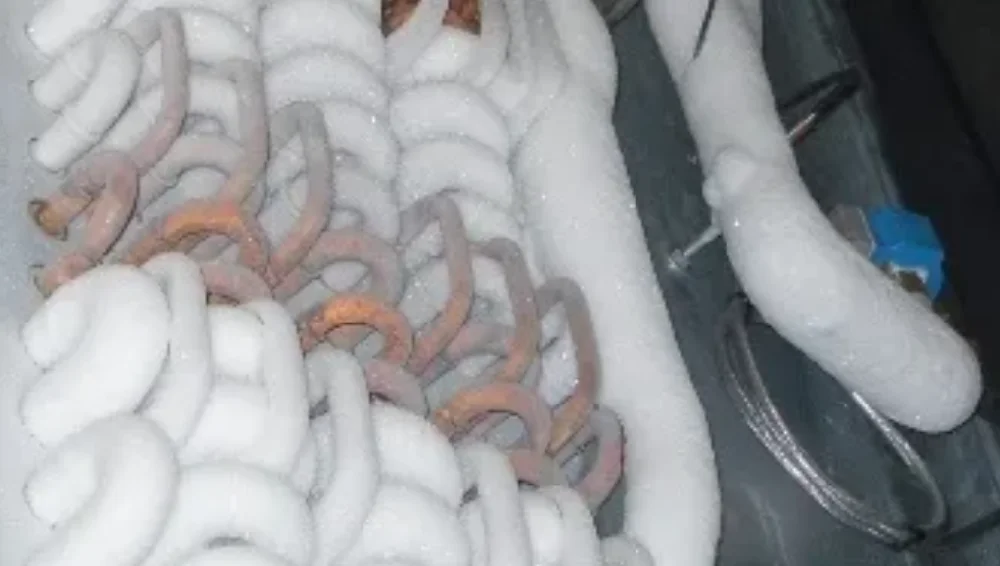
how to solve the frost ice in evaporator coil


2. Keep Condenser Coils Spotless

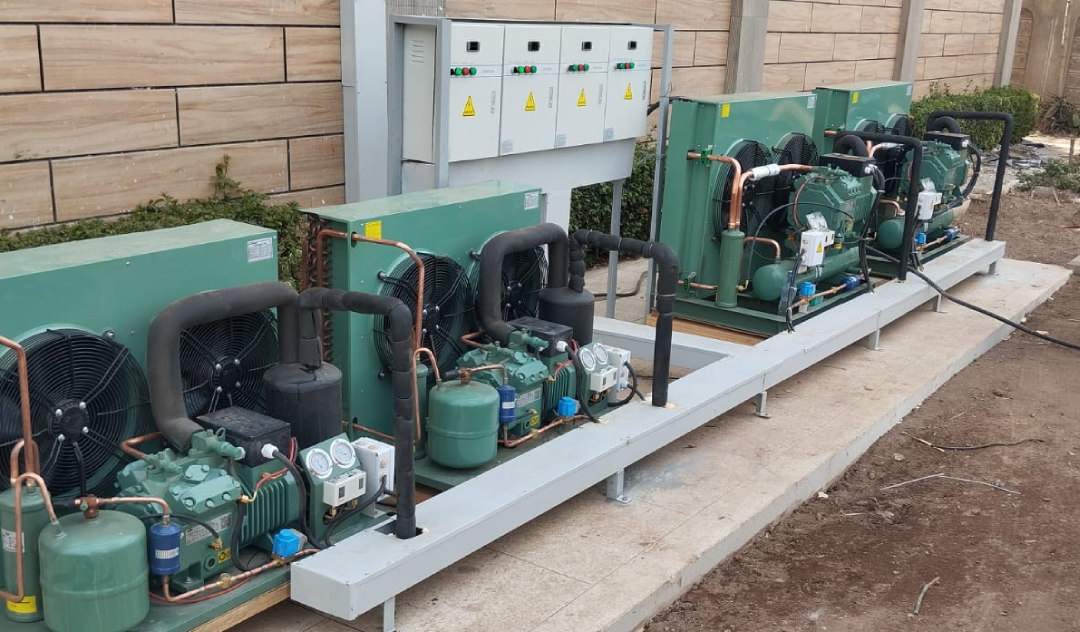
The condenser, often located outside, is where your system expels heat. Dirty coils clogged with dust, debris, or leaves trap heat, forcing the system to work harder and consume more energy.

Action Steps:

Establish a cleaning schedule based on your environment—monthly for dusty areas (e.g., near construction or high-traffic zones) or quarterly for cleaner settings.

Use a soft brush, compressed air, or professional coil-cleaning solutions to remove debris without damaging fins.

Install protective mesh screens to reduce debris accumulation in outdoor units.

Why It Works: Clean coils lower the condensing temperature, easing the compressor’s workload. For every 1°C (1.8°F) reduction in condensing temperature, energy consumption drops by 2-3%. In a typical restaurant, this can translate to hundreds of dollars in annual savings, making coil cleaning one of the most cost-effective maintenance tasks.


3. Upgrade to Variable Speed Drives (VSDs) for Smart Cooling

Traditional compressors and condenser fans operate at full speed or not at all, like a car stuck in one gear. This is inefficient, especially during low-demand periods, which can account for 70% of operating time in many businesses.

Action Steps:

Retrofit existing compressors and condenser fans with Variable Speed Drives (VSDs) or invest in new systems equipped with them.

Work with a certified technician to ensure proper installation and calibration.

Look for VSD-compatible systems with ENERGY STAR certification for maximum efficiency.

Why It Works: VSDs adjust motor speed to match cooling demand, reducing energy use by 20-50% during low-load periods. They also minimize wear and tear, extending compressor life by up to 30%. A 2025 industry report highlights that VSD-equipped systems can achieve a return on investment (ROI) within 1-2 years for medium to large cold rooms.

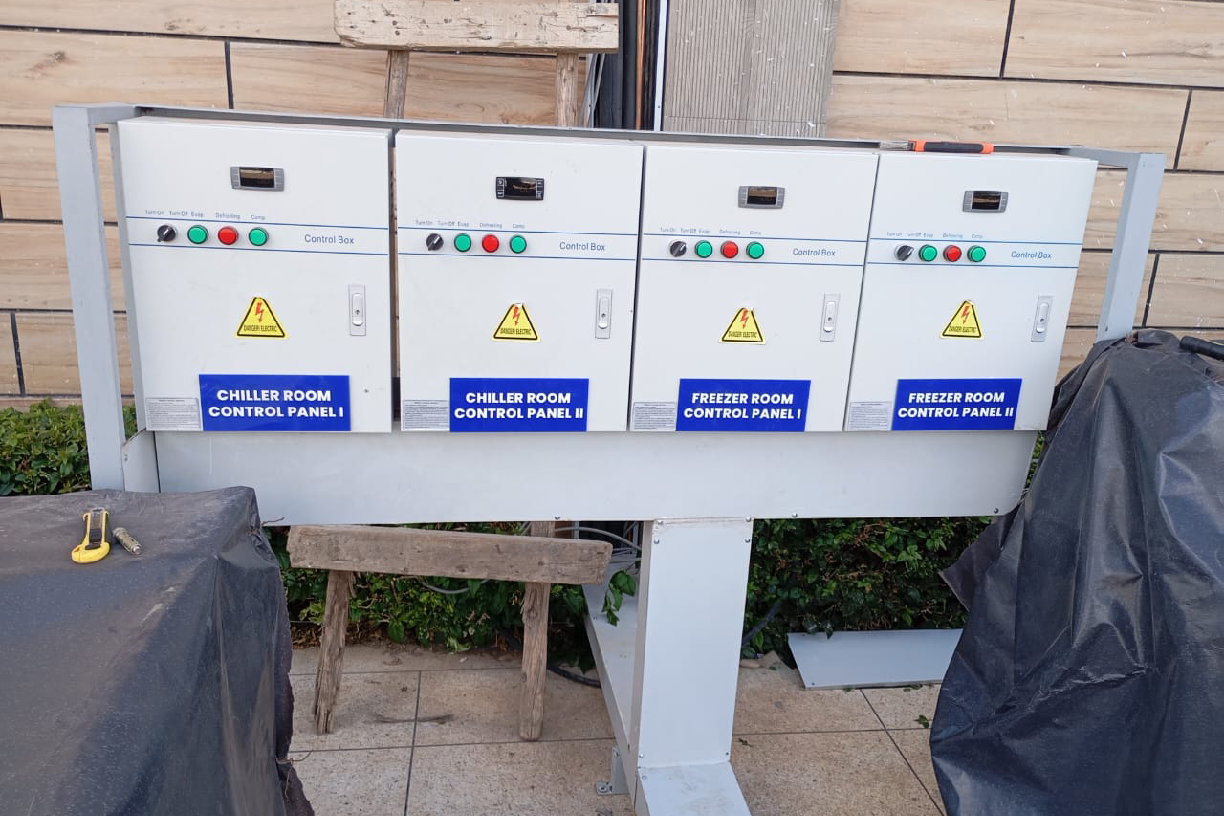
control panels

use better control panels for controlling the temperature in the coldroom. this makes the coldrooms not to use much electricity and over work the evaporator and the condensing unit.

self repair and maintain a cold room

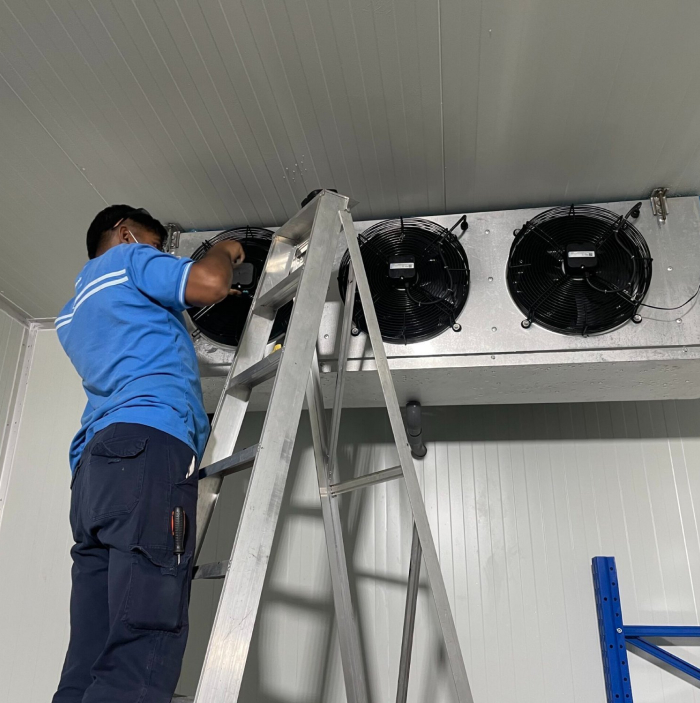
cleaning the evaporator coils

This is inefficient, especially during low-demand periods, which can account for 70% of operating time in many businesses.


4. Optimize Defrost Cycles with Adaptive Technology

Frost buildup on evaporator coils acts like insulation, reducing heat transfer and forcing the system to run longer. However, excessive or poorly timed defrost cycles waste energy by unnecessarily heating the cold room.

Action Steps:

Upgrade to an adaptive defrost system that triggers cycles based on real-time conditions (e.g., frost buildup, pressure differential, or temperature) rather than a fixed timer.

Ensure defrost heaters are calibrated to run only as long as needed—typically 10-20 minutes per cycle.

Insulate evaporator coils to slow frost formation in high-humidity environments.

Why It Works: Adaptive defrost systems can reduce defrost energy consumption by up to 40% compared to traditional timers. By minimizing unnecessary heating, they also maintain stable cold room temperatures, protecting inventory quality. For a medium-sized freezer, this can save $500-$1,000 annually.


5. Maintain the Perfect Refrigerant Charge

Your refrigeration system relies on a precise amount of refrigerant to operate efficiently. Leaks, overcharging, or undercharging—common issues as systems age—reduce efficiency and risk compressor damage.

Action Steps:

Hire a certified technician to verify refrigerant charge during annual maintenance, using tools like pressure gauges and subcooling measurements.

Fix any leaks before recharging to prevent recurring issues.

Transition to eco-friendly refrigerants like R448A or R449A, which comply with 2025 environmental regulations and offer better efficiency.

Why It Works: An optimal refrigerant charge ensures efficient heat transfer, reducing energy use by up to 15%. Proper charging also prevents compressor strain, which can cost thousands to replace. For example, a 10% undercharge can increase energy consumption by 12%, while overcharging risks system failure.


6. Reduce Heat Load Before It Reaches the System

Your refrigeration system’s job is to remove heat from the cold room. The less heat it has to handle, the less energy it consumes. Proactive heat management is a game-changer for efficiency.

Action Steps:

Load Discipline: Pre-cool hot products to ambient temperature before placing them in the cold room. For example, let cooked food cool in a staging area before storage.

Door Discipline: Train staff to minimize door openings and use strip curtains or air curtains to block warm, moist air.

Lighting: Replace incandescent or fluorescent lights with LED bulbs, which produce 80% less heat and use 50% less energy.

Insulation Check: Inspect door seals and panel joints for leaks, and repair gaps with food-grade silicone or gaskets.

Why It Works: Reducing the heat load lowers both sensible (temperature-related) and latent (moisture-related) demands on the system. This allows the compressor to cycle off sooner, saving energy. For instance, switching to LEDs alone can reduce a cold room’s heat load by 10-15%, translating to measurable savings.


7. Invest in a High-Efficiency System Upgrade

If your refrigeration system is over 10-15 years old, it’s likely using outdated technology and refrigerants like R404A, which are being phased out due to high global warming potential (GWP). Modern systems offer superior efficiency and sustainability.

Action Steps:

Request an energy audit from your supplier to assess your current system’s performance and estimate savings from an upgrade.

Look for systems with:

VSD compressors for dynamic cooling.

Microchannel condensers for improved heat transfer.

Electronic expansion valves for precise refrigerant flow.

Check for incentives or rebates for energy-efficient upgrades through local utilities or government programs in 2025.

Why It Works: New systems can be 30-50% more efficient than older models, with some businesses reporting energy savings of $5,000-$10,000 annually for large setups. Microchannel condensers, for example, reduce refrigerant use by 20-30%, lowering costs and environmental impact. The ROI for a new system often falls within 2-4 years, depending on usage.

Our story

Leverage Smart Monitoring for Real-Time Savings

In 2025, smart technology is transforming refrigeration management. IoT-based monitoring systems track temperature, pressure, and energy use in real time, alerting you to issues before they escalate.

Action Steps:

  • Install a smart monitoring system with cloud-based dashboards for remote access.

  • Set up alerts for temperature deviations, power surges, or unusual compressor activity.

  • Use data analytics to identify patterns and optimize system settings.

Why It Works: Smart monitoring can reduce energy waste by 10-15% by catching inefficiencies early. For example, a grocery chain in 2024 saved $12,000 annually by using IoT alerts to prevent temperature excursions in multiple cold rooms.

when to call a technitian


Conclusion: Think Systematically, Save Substantially

Your refrigeration system is more than a component—it’s the backbone of your cold room’s performance. By adopting a system-level approach, from rigorous maintenance to strategic upgrades, you can slash energy costs, extend equipment life, and align with 2025’s sustainability trends. Simple steps like cleaning condenser coils or enforcing door discipline can yield immediate savings, while investments in VSDs or modern systems deliver long-term returns. Start with a system-wide health check and explore smart monitoring to take control of your costs today.

Ready to stop your refrigeration system from burning money? Create a maintenance checklist, consult a certified technician, and request an energy audit from your supplier. With these seven strategies, you’re not just cooling your inventory—you’re heating up your bottom line.